





What is the difference between modified and pure sine inverters?
- Key Considerations When Choosing a Vehicle Power Inverter
- 1. What is the required power capacity for my devices?
- 2. What is the difference between modified sine wave and pure sine wave inverters?
- 3. How do I install a vehicle power inverter safely?
- 4. What safety features should I look for in a power inverter?
- 5. Can I use a power inverter to run high-wattage appliances?
- 6. How does the efficiency of a power inverter affect performance?
- 7. Are there any maintenance requirements for vehicle power inverters?
- 8. How do I determine the appropriate inverter size for my vehicle?
- Conclusion: Why Choose Congsin Power Inverters
When selecting a vehicle power inverter, it's crucial to understand various factors to ensure it meets your specific needs. Below are key considerations and frequently asked questions to guide your decision-making process.
Key Considerations When Choosing a Vehicle Power Inverter
1. What is the required power capacity for my devices?
To determine the appropriate inverter size, calculate the total wattage of the devices you intend to power. For instance, if you plan to run a laptop (50W), a smartphone charger (10W), and a small fan (30W), the combined wattage is 90W. It's advisable to select an inverter with a continuous power rating slightly higher than your total wattage to accommodate any surge demands.
2. What is the difference between modified sine wave and pure sine wave inverters?
Modified sine wave inverters produce a stepped approximation of a sine wave, suitable for simple devices like incandescent lights and small fans. However, they may cause interference with sensitive electronics and can be less efficient. Pure sine wave inverters generate a smooth, continuous wave, making them ideal for powering sensitive equipment such as laptops, medical devices, and audio equipment without causing interference.
3. How do I install a vehicle power inverter safely?
Installation methods vary based on the inverter's power rating:
Low-Power Inverters (up to 400W): These can typically be plugged into the vehicle's 12V cigarette lighter socket.
High-Power Inverters (above 400W): It's recommended to hardwire these directly to the vehicle's battery using appropriate cables and fuses to ensure safety and optimal performance.
Always follow the manufacturer's installation guidelines and consult a professional if unsure.
4. What safety features should I look for in a power inverter?
Essential safety features include:
Overload Protection: Prevents the inverter from operating beyond its capacity.
Overheating Protection: Shuts down the inverter if it becomes too hot.
Short Circuit Protection: Safeguards against electrical faults.
Low Voltage Shutdown: Protects the vehicle's battery from excessive discharge.
These features help ensure both the inverter and your devices remain safe during operation.
5. Can I use a power inverter to run high-wattage appliances?
Running high-wattage appliances, such as refrigerators or power tools, requires a high-capacity inverter and a robust power source. It's important to ensure that your vehicle's electrical system can handle the additional load and that the inverter's surge capacity is sufficient to start these appliances.
6. How does the efficiency of a power inverter affect performance?
Inverter efficiency indicates how well the device converts DC to AC power. Higher efficiency means less energy loss as heat and longer runtime from your vehicle's battery. Most inverters operate between 85%–95% efficiency.
7. Are there any maintenance requirements for vehicle power inverters?
Regular maintenance includes:
Cleaning: Periodically remove dust and debris from the inverter's vents to prevent overheating.
Inspection: Check cables and connections for wear or damage.
Storage: When not in use, store the inverter in a dry, cool place to prolong its lifespan.
Always refer to the manufacturer's maintenance guidelines for specific instructions.
8. How do I determine the appropriate inverter size for my vehicle?
Consider the total wattage of devices you plan to power, the inverter's surge capacity, and your vehicle's electrical system capabilities. It's advisable to consult with a professional or refer to the manufacturer's recommendations to ensure compatibility and safety.
Conclusion: Why Choose Congsin Power Inverters
Congsin offers a range of high-quality power inverters designed to meet diverse needs, from powering small electronics to high-wattage appliances. With a focus on efficiency, safety, and durability, Congsin ensures reliable performance for all your power conversion requirements.
For a visual guide on selecting the best car power inverter, you might find the following video helpful:
[Best Car Power Inverter | Top 12 Best Power Inverter Reviews (https://www.youtube.com/watch?v=Zseu4DbKGcU&utm_source=openai)


Pure Sine Wave Inverters
What capacity battery is needed to drive a 1000W electric kettle?
It is recommended to match with a 12V 100Ah or larger capacity battery. When a 1000W electric kettle is working, the power consumption per hour is about 83Ah (1000W÷12V≈83A), and a 100Ah battery can support continuous work for about 1 hour (actual battery life is affected by battery aging).
What is the reason for the inverter automatically shutting down during operation?
It is likely that the protection mechanism is triggered: 1. Load overload (total power of connected devices exceeds 1000W); 2. Abnormal input voltage (battery voltage <10.8V or >14.5V); 3. Device overtemperature (excessively high ambient temperature or cooling fan failure). It is recommended to disconnect some loads, check the battery voltage or clean the heat dissipation port before trying again.
What is the difference between a pure sine wave inverter and a modified sine wave inverter?
Pure sine wave inverter has an output waveform close to mains power with low distortion rate (<3%), which can be safely adapted to precision devices such as computers, medical instruments, and inverter home appliances; modified sine wave inverter has a notched waveform, which easily causes device heating, malfunction or damage, and is only suitable for simple devices such as bulbs and fans.
Modified Sine Wave Inverters
Do you support OEM branding?
Yes, we offer logo, packaging, and label customization.
What is the working principle of the UPS function?
When the external power supply is normal, the inverter powers the device and charges the battery; when the external power supply is interrupted, it automatically switches to battery power to ensure uninterrupted operation of the device.
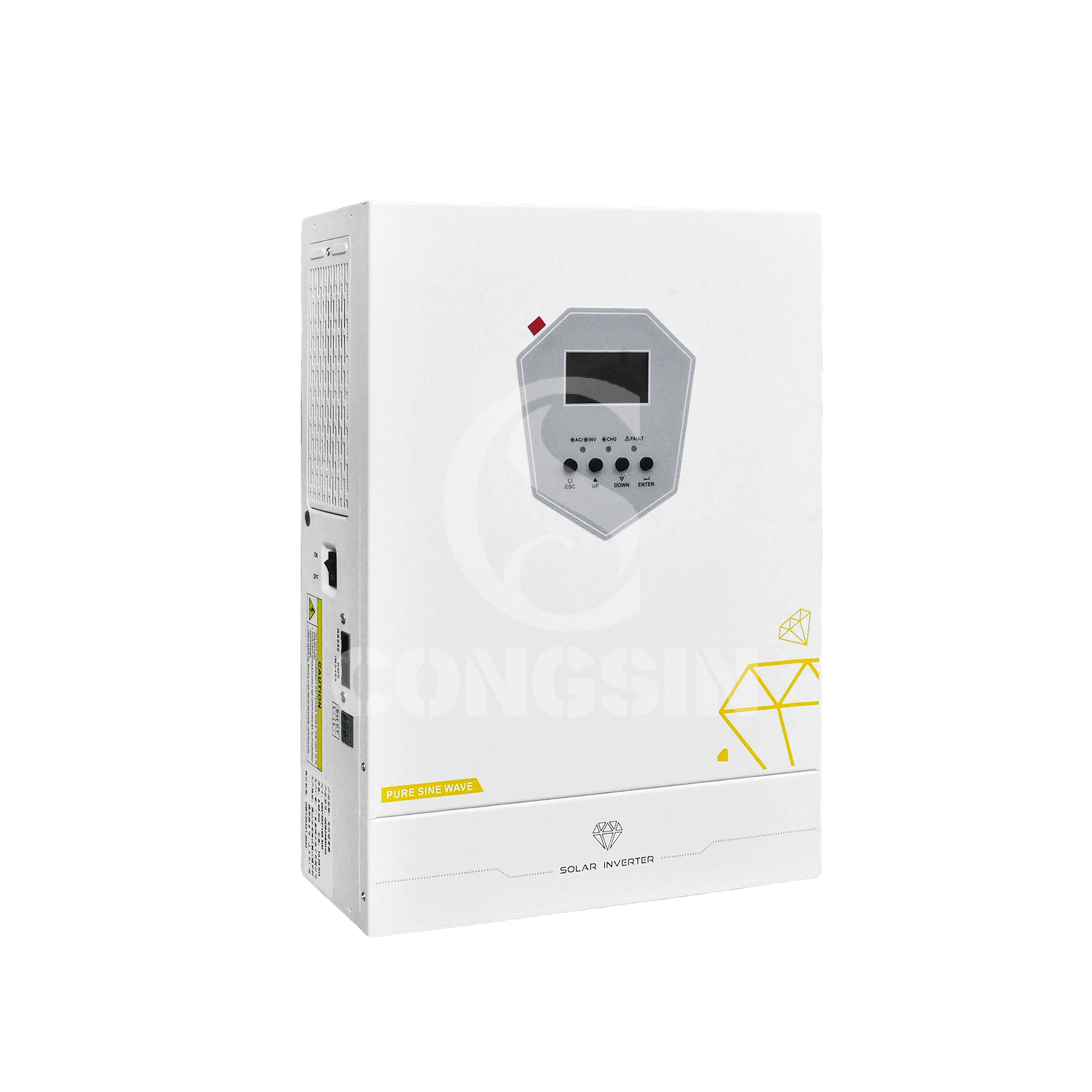
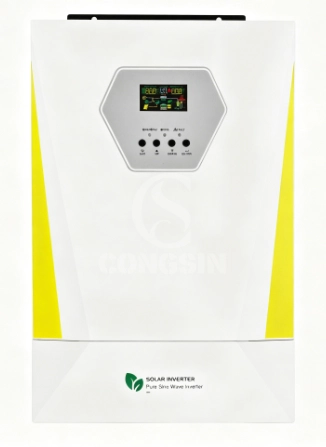
Power your solar system efficiently with the Congsin 4000W and 6000W Hybrid Inverter. Featuring an integrated MPPT Controller, this CE Certified inverter ensures optimal energy conversion. Monitor performance effortlessly via the intuitive LCD Display. Reliable, powerful, and ready for your sustainable energy needs.
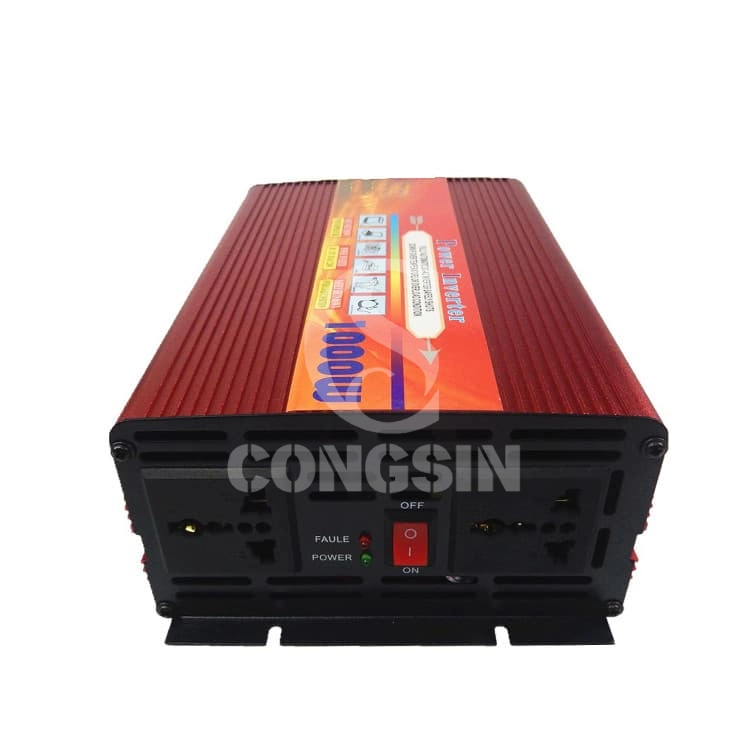
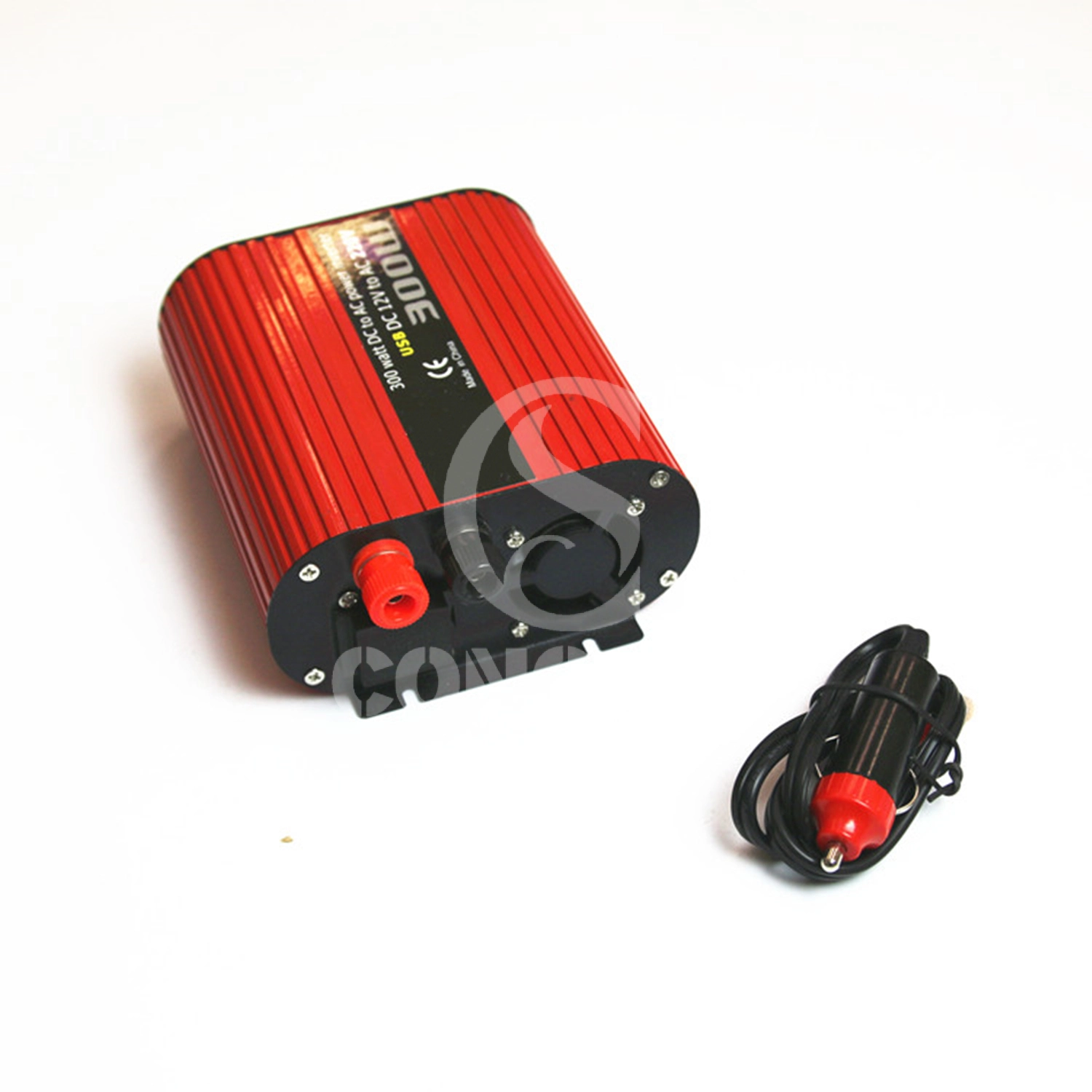
Congsin's Portable 150W Modified Sine Wave Inverter powers your journey! This versatile Car Power Inverter with USB acts as a reliable 12V to 220V converter, ensuring an essential off-grid power supply. With dual USB ports and a universal socket, enjoy convenient power on the go.
Get in Touch with Our Team
You can also communicate with us directly through our online contact form. Please fill in the following information, and our team will contact you as soon as possible after receiving your message.

CONGSIN is a trusted OEM factory for power inverters, solar charge controllers, and DC converters. Reliable solutions for global B2B buyers.
 High Quality
 7/24 Service
 Guaranteed Warranty
© 2025 Congsin. All Rights Reserved.
 WeChat
 Scan QR Code
sin cong
teaimei10
Whatsapp: +8618028086791
Scan QR Code